Category Archives: New trends

Gadgets a cure for dementia?

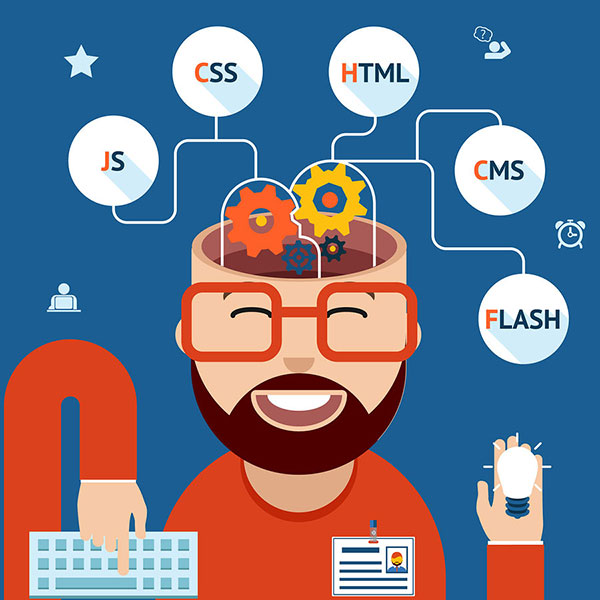
Graphic of a web developer

Web developer with gadgets

My reflections on IT gadgets, recent findings on the brains of over 50s and expected dementia trends: 

It seems my fetish with data analysis and all things digital may actually be good for my health. A recent study in the UK found that the brains of people over 50 are getting sharper and younger due to the use of IT gadgets. And this is good news in the light of the so-called “grey tsunami” of ageing people. Many are expected to get alzheimer’s disease and other dementias.

It appears to be de rigueur to have a go at people with lots of IT gadgets. Granted, our love affair with them can have it’s social down-side. But armed with the evidence of IT gadgets keeping our brains sharper and younger don’t you think it’s worth it? I reckon we should be actively encouraging the use of modern technology amongst the elderly. Not just to keep their brains in good health, but to aid in social engagement by keeping in touch with family and friends. Continue reading

Kids beware, your parents will now know what you’re saying!

We all do it. Use acronyms that is. But they’ve really found a life of their own in this digital age – and in particular instant messaging. I’m old enough to remember the days before SMS when teens used whole words to communicate. So I read this article with some amusement. Maybe this FBI manual will come in handy for parents keeping a watchful eye on their children’s behaviour!

Rerty


Xero threatening MYOB

If you’re an observer of the trend in cloud computing, you’ll find this article interesting. Xero is a cloud accounting software and has gained considerable popularity over the last couple of years. As a committed fan of cloud computing, I’m not surprised that an accounting package that that is so easily accessed and versatile should become so popular.

Microsoft starts again

An interesting follow on from the previous story is this one about Windows 8.1 and Microsoft bringing back the start menu. Unless you’ve used 8.1, you won’t really get the drift of the story. But as it happens, I’ve recently installed it on my PC (actually a ‘virtual’ PC on my Mac).

I can see now why people have been so resistant to 8.1 given it’s such a radical departure from the usual Windows environment. As Adam Turner says in Windows 8 – bring back the Start menu or go with the flow?  “It’s easy to hate Windows 8. Really easy.”, but as he then says; “… if you decide to work with Windows 8 rather than fight against it, you’ll find that it does actually have a lot to offer.”

But I can also see why Microsoft took a leap of faith to release it … and that is because of the increasing use of tablets and smart phones. With 8.1, they’ve tried to create an operating environment similar to tablets and smart phones so that they can begin to close the gap between them and PCs because of the ground PCs are losing.

It’s an interesting dynamic to observer. I’d be interested to know what you think – but then maybe you’re a Mac user and it’s a non-issue or you might be 95% of the population and hanging out for Windows 9.

Knock-on effect of changes in devices of choice

As Bob Dylan would say, “The times they are a changin”. This is especially true of the world of digital technologies. There are many drivers of this change, but key amongst them is user convenience. People are moving towards mobile devices more and more as the devices become smarter and integrate more seamlessly with other devices in a user’s world.

The following article from the Sydney Morning Herald caught my eye because it draws the spotlight on this effect.

This trend has a significant impact on a range of information delivery systems including websites, social media, document sharing and so on. These systems need to take into account the different ‘ecosystems’ of such devices. Front of mind are things like responsive web design that ensures websites render well and are easy to use on tablets and smart phones; marketers being familiars with the strengths and weaknesses of social media apps; and consideration of a user’s download limit by not delivering documents as attachments, but via links that show clearly the file type and size. The list goes on.

Basically it means that the way we do business has to change as the adoption of mobile devices increases.

PCs to lose more ground to tablets: surveyDecline: PCs will continue to lose ground to tablets, according to a survey. Sales of traditional computers will lose more ground in 2014 to tablets and other mobile devices, a market tracker says. The overall market for connected devices – PCs, smartphones and tablets – is likely to grow 6.9 per cent to nearly 2.5 billion devices in 2014, according to a report by research firm Gartner.

Embedly Powered

via Smh


Cloud storage is taking us by a storm

It took me a while to get the hang of it. Cloud storage that is. I wish I’d discovered it earlier. But then I’ve probably been like most of the general population and had a natural scepticism about something you can’t see or touch and is out of our direct control.

Cloud storage, for those newbs to this concept, is where you store your stuff on a server hosted by a company like Google or Dropbox. You access it via an internet browser or through an application that connects you to that server with a secure login. Think of it as just another drive like your C drive, only more secure.

This notion is an interesting following on from my previous post about PCs losing ground to mobile devices. Cloud storage have made this drift possible. And as I said, user convenience is a major driver.

A colleague of mine had once said “I don’t trust cloud storage” to which I said; “But you’ve been using internet banking for a while and you feel okay about that don’t you?”.

Cloud storage, to me, is the best thing since sliced bread (though I have to admit, I like cutting my own). The following articles explain the amazing benefits of using cloud storage instead of keeping your stuff on your computer.

What I love about cloud storage is I can move from device to device and my stuff moves with me. Another brilliant thing is the security of my data. I’ve set up a few measures such as 2-step authentication and now have a password management app. Gone are the days of concern about stolen or broken devices. I can retrieve my data and docs in no time at all.

Is it time to back up your life into the cloud?Computers Mobiles Digital Life News Illustration: Karl Hilzinger As cloud storage becomes all but free, is it time to rethink your online back-up regime? These days most people have turned to the cloud as an off-site back-up solution, perhaps combined with a home Network Attached Storage drive tucked away in their study.

Embedly Powered

via Smh


Here’s another great article called Why I’m Living in the Cloud and Never Coming Back by Cam Lincoln in Culture Desk, who tells us why he’s a great cloud enthusiast.